

The Allure of Gambling: What Drives Players?
The thrill of gambling often stems from a combination of risk, reward, and the environment of the casino itself. Players are drawn in by the promise of winning, but the underlying psychology suggests that the excitement comes from the uncertainty of the outcome. This uncertainty can trigger dopamine release, the same chemical associated with pleasure and reward, making the act of gambling feel exhilarating. Additionally, many players explore online canadian casino options that add to the excitement of the experience. Understanding these psychological triggers is crucial for anyone looking to delve into gambling strategies.

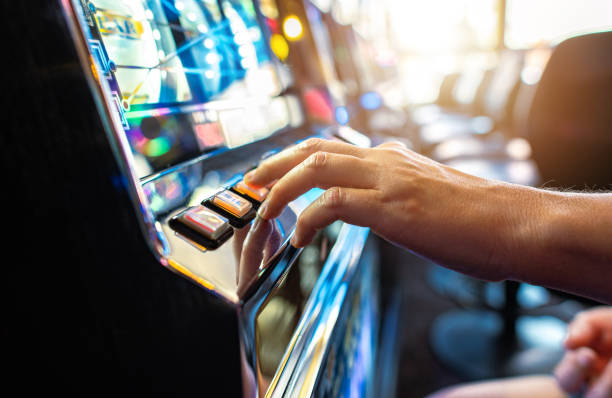
Additionally, the environment within a casino plays a pivotal role in influencing behavior. Bright lights, loud sounds, and an atmosphere of celebration create a sensory overload that can heighten emotions and decision-making processes. Players often find themselves immersed in this environment, leading to impulsive actions driven by the immediate stimulation surrounding them.
Cognitive Biases and Gambling Decisions
Players often make decisions based on cognitive biases that can skew their understanding of odds and probabilities. For example, the illusion of control is a common phenomenon where gamblers believe they can influence outcomes, despite the inherent randomness of games like slots or roulette. This belief can result in adopting specific gambling strategies that may not improve their chances of winning but instead make them feel more empowered and engaged.
Another relevant bias is the gambler’s fallacy, where players mistakenly believe that past events affect future probabilities. For instance, one might think a certain number is “due” to hit because it hasn’t appeared in a while. These cognitive biases can lead to flawed strategies and further entrench individuals in their gambling habits, making it essential for both gamblers and the industry to recognize and address them.
The Impact of Emotion on Gambling Strategy
Emotion plays a crucial role in gambling decisions, often affecting how players approach strategies. When individuals are feeling lucky or in a positive mood, they may take greater risks, leading to less calculated decisions. Conversely, negative emotions can lead to chasing losses, where players irrationally attempt to win back what they’ve lost through riskier bets.
This interplay between emotion and strategy can create a cycle of behavior that is difficult to break. Understanding one’s emotional state and its influence on decision-making can empower players to adopt more rational strategies, potentially increasing their enjoyment and reducing the likelihood of negative outcomes.
The Role of Strategy in Gambling Psychology
While many games of chance rely heavily on luck, the implementation of strategies can provide players with a sense of control and structure. Strategies often involve the application of mathematical probabilities, bankroll management, and emotional regulation. By employing a well-thought-out strategy, players can mitigate losses and prolong their gaming experience, making it more enjoyable.
Moreover, the use of strategies can also nurture a community among players. Sharing and discussing different approaches fosters social interaction and can lead to a deeper understanding of both the games and the psychological factors at play. This community aspect can enhance the overall experience, making gambling not just about winning, but also about connection and engagement.
Conclusion: Resources and Further Learning
Understanding the psychology behind casino gambling strategies can significantly enhance one’s gaming experience. By recognizing cognitive biases, emotional influences, and the importance of strategic planning, players can approach gambling in a more informed and mindful manner. Utilizing insights from psychology can lead to improved decision-making and a more balanced attitude towards both wins and losses.
For those interested in exploring further, there are numerous resources available that delve into the intersection of psychology and gambling. Engaging with these materials can provide additional insights and strategies to enhance both enjoyment and understanding of the complexities involved in casino gambling.
